SAFE · LICENSED· TRANSFORMATIVE
Natural Medicine, Delivered Safely
A licensed Colorado center providing psychedelic-assisted therapy in a safe, compliant, and supportive environment.
“There are guides who know the terrain, and there are guides who understand why the journey matters. Dr. Amanda Marsh Baranski is both. Her clinical expertise in psychedelic-assisted therapy is evident from the very first conversation, she brings a rigorous, grounded knowledge of the medicine, the mind, and the therapeutic process that instantly inspires confidence. But what sets her apart is the quality of presence she brings alongside that expertise. With Amanda, you don’t just feel prepared, you feel held. The experience she facilitates is only part of the gift. It’s the integration work afterward, the careful, unhurried process of translating what you encountered into something livable and lasting, where her skill truly shines. She understands that a session can open a door, but that walking through it takes time, support, and someone who knows how to ask the right questions. If you’re ready to do the kind of healing that reaches places ordinary therapy hasn’t, Dr. Baranski is the person you want beside you.”
“I was a bit nervous this being my first time taking a journey and was immediately put at ease by Dr Baranski. The journey was a great experience and I do believe it’s led to growth, new connections, and powerful insights. This will now be part of my self care plan about 4 times a year. I’m a pretty run of the mill middle aged man. Wife, kid, corporate America, I think most people I know would be shocked I tried this and that I now support it whole heartedly. I can’t wait to continue down this path.”
“I came in feeling really stuck. Depression had been hanging on, and I knew I needed something different. I chose Micro Healing Center because it’s run by someone I trust. The sitter was amazing, the space was comfortable, and the whole environment felt warm and safe. The integration afterward with my sitter and Dr. Baranski was phenomenal. I was able to make sense of what came up and think about how to use it moving forward. I would absolutely recommend Micro Healing Center and Dr. Baranski if you’re feeling stuck and ready to try something different.”
Before Your Journey
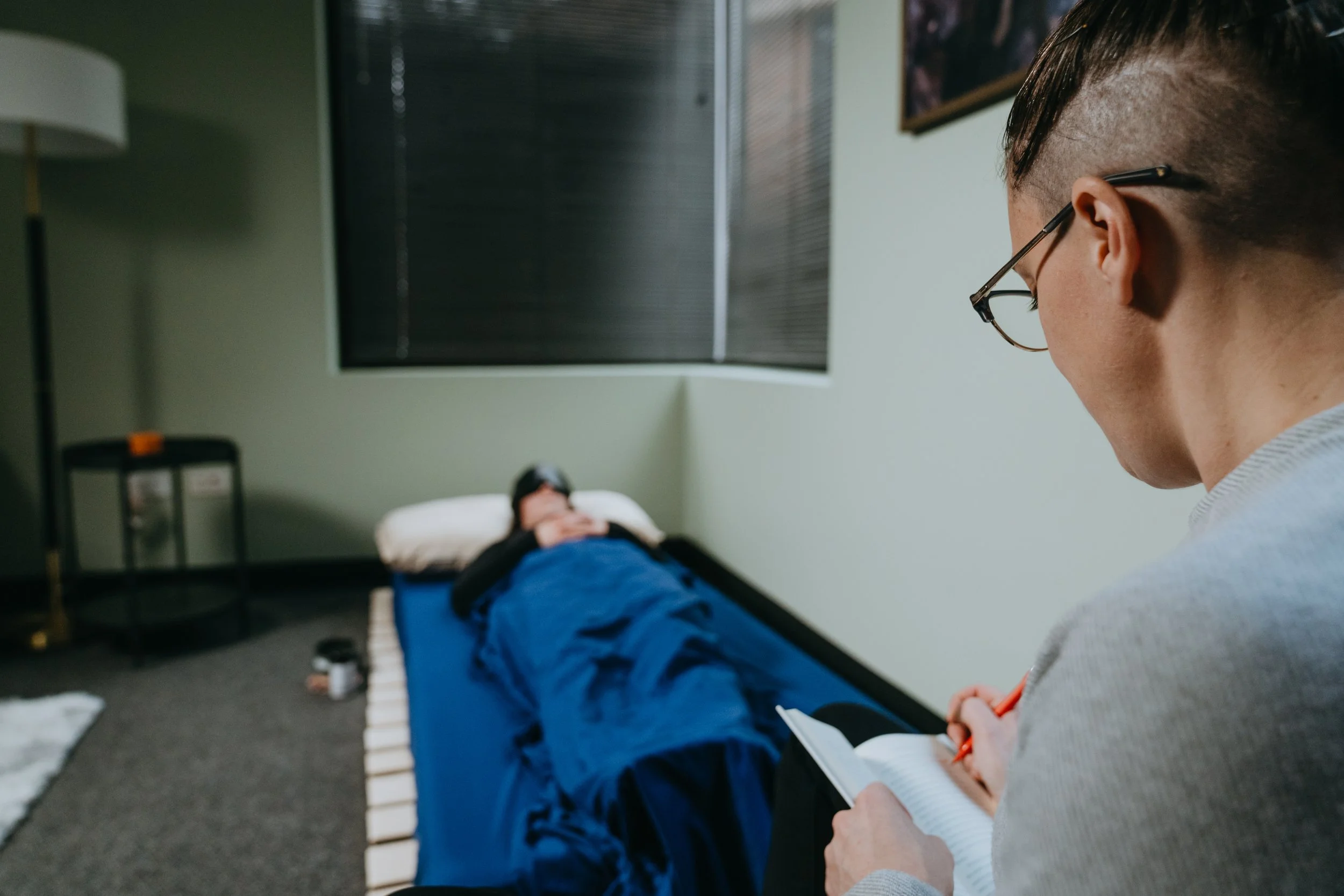
A natural medicine journey experience is a structured, facilitated session in which a participant works with regulated natural medicine under the guidance of a state-licensed facilitator. At the Micro Healing Center, all journey experiences take place in a clinical sanctuary designed to support safety and comfort.
Sessions are full-day partnerships. Your facilitator holds the container from arrival through departure, and the experience is shaped around your preparation work, your personal intentions, and your wellbeing throughout. Natural medicine is not administered casually. Every journey experience is preceded by a preparation session and followed by an integration process.
Candidacy is determined during your preparation session with your facilitator. A full health history and screening assessment is completed before any journey experience is scheduled. Your facilitator is trained to evaluate whether natural medicine facilitation is appropriate for your specific situation.
Certain conditions, medications, and personal history factors require careful consideration. This is not a barrier to access. It is a commitment to doing this work safely and responsibly. Your facilitator will discuss any relevant considerations with you directly and in confidence.
If you are uncertain whether you qualify, reach out to us at info@microhealingcenter.com and we will connect you with the right person to answer your questions.
Having an existing health condition does not automatically disqualify you. Your facilitator will complete a thorough health history during your preparation session and will use that information to determine whether proceeding is appropriate and how to best support you.
Conditions that may require additional review include cardiovascular conditions, seizure disorders, personal or family history of psychosis or schizophrenia spectrum disorders, recent major surgeries, and certain chronic conditions. Medications, including psychiatric medications and blood pressure medications, will also be reviewed.
Full transparency during intake is essential. What you share with your facilitator is confidential and will be used only to support your safety and your care. Withholding relevant health information puts you at unnecessary risk.
This is one of the most important conversations to have with your facilitator before your journey experience. Certain vitamins, supplements, and herbal preparations can interact with natural medicine in ways that affect both safety and efficacy.
Supplements that may warrant closer review include:
- St. John's Wort (serotonin activity; discontinue well in advance under facilitator guidance)
- 5-HTP and L-tryptophan (serotonin precursors)
- Lithium (even at low supplemental doses)
- High-dose niacin or B3
- Valerian root and other sedative-acting herbs
- Melatonin in high doses
- SAMe (S-adenosyl methionine)
Vitamins and minerals taken at standard dietary amounts are generally not a concern. Your facilitator will review your full supplement list during the preparation session and advise accordingly. Do not stop or change any supplement protocol without guidance.
Your facilitator will provide specific guidance based on your health history and session plan. As a general framework, most facilitators recommend eating a light, easily digestible meal in the hours before your session and avoiding alcohol or cannabis for at least 24 to 48 hours prior.
Arriving well-hydrated is encouraged. Avoid heavy, processed, or high-fat meals on session day. Follow any specific dietary guidance your facilitator provides during your preparation session, as those instructions are tailored to you.
Comfort is the priority. Wear loose, layered clothing that you can move freely in and that you feel at ease wearing for an extended period. Temperature can feel variable during a journey experience, so having layers available is helpful.
Your facilitator may suggest bringing personal items that support your intentions, such as photographs, a journal, meaningful objects, or a specific playlist. Ask during your preparation session for their specific recommendations.
Items to leave at home: anything you would be distressed to lose track of, devices you feel compelled to check frequently, and anything that might feel distracting or anxiety-producing during the session.
The preparation session is a required meeting with your facilitator before any journey experience takes place. It is where your health history is reviewed, your intentions are clarified, the process is explained, and all required state forms and consent documents are completed.
This session is not a formality. It is foundational to a safe and supported journey experience. The quality of your preparation directly shapes the quality of your experience. Come ready to ask questions and to take the time this step deserves.
You will also discuss practical logistics including transportation arrangements, what to bring, what to expect during the session day, and what the integration process will look like afterward.
Colorado state regulations require a specific set of forms to be completed before and during the process. These documents exist to protect you and to ensure transparency throughout your care. Required forms include:
- Screening Assessment and Health History
- Informed Consent
- Facilitator Required Disclosures
- Transportation Safety Plan
- Privacy and Confidentiality Disclosure
- Safety Plan covering environmental risks
- Supportive Touch Contract (if applicable)
- Fees, Termination, and Alternate Location
- Demographic Data Collection and Opt-Out
Your facilitator will walk through each document with you. No form will be signed without explanation. If you have questions about any disclosure or consent, ask before you sign.
All participant files are maintained on-site at Micro Healing Center and retained for a minimum of seven years in compliance with state record-keeping requirements.
Logistics and Planning
This is a non-negotiable safety requirement. Participants are prohibited from driving themselves within 24 hours following a journey experience. This is documented in your Transportation Safety Plan, which is a required state form completed during your preparation session.
You must have a confirmed departure plan in place before your session begins. Acceptable options include:
- A designated driver who will pick you up at the facility
- A rideshare arranged by your facilitator or by your designated contact
- A trusted person who will escort you home and remain with you
Your facilitator will confirm your departure transportation arrangement before your journey experience begins. If arrangements fall through on session day, your facilitator will work with you to establish safe transport before you leave the premises. You will not be discharged to drive yourself under any circumstances.
Out-of-state clients are welcome at Micro Healing Center. Colorado's regulated natural medicine program is open to adults regardless of state residency. Planning ahead is essential, particularly around transportation, accommodation, and integration support.
Minimum recommended stay: Allow at least three to four days in the Denver metro area. One day for your preparation session, one full day for your journey experience, and one to two days for rest and initial integration before flying or driving home.
Accommodation: Westminster is located in the northwest Denver metro area with easy access to Denver International Airport (approximately 35 to 45 minutes depending on traffic). The Westminster and Arvada corridor has a range of hotel and short-term rental options within a short drive of our facility at 8461 Turnpike Dr, Suite 110.
Transportation: Arrange transportation for your session day in advance. Rideshare services are available in the area, but confirm driver availability for your anticipated end-of-session pickup window. Do not rely on self-driving on session day or the day following.
Integration: If you do not have a therapist or integration support person at home, discuss this with your facilitator during preparation. Remote integration support options may be available through your facilitator or through referral partners.
Micro Healing Center is located at 8461 Turnpike Dr, Suite 110, Westminster, CO 80031, in the northwest Denver metro area. The surrounding corridor offers a range of practical conveniences for clients and companions traveling from outside the area.
Nearby accommodations: Several hotel options are available within a 10 to 15 minute drive, including properties along the Westminster and Arvada corridors with easy highway access.
Dining and groceries: Grocery stores and casual dining are available within a short drive of the facility. For post-session days, having easy access to nourishing, familiar foods at your accommodation is something to plan for in advance.
Nature and outdoor spaces: The Westminster area offers access to open space trails, parks, and the South Platte River corridor, which many clients find supportive for integration walks in the days following their journey experience.
Denver proximity: Downtown Denver is approximately 20 to 25 minutes south, offering broader dining, cultural, and accommodation options if you are building a longer stay around your experience.
If you have specific questions about what is available near the facility, contact us at info@microhealingcenter.com.
Yes. Parking is available at the building at 8461 Turnpike Dr, Suite 110, Westminster, CO 80031. If you are being dropped off or picked up by a designated driver or rideshare, the facility is easily accessible from the parking area.
If your designated driver intends to wait on-site during part of your session, discuss this with your facilitator in advance so the appropriate arrangements can be made. Session day logistics are coordinated during your preparation session.
Scheduling and cancellation policies are established between you and your facilitator and are documented in your Fees, Termination, and Alternate Location disclosure, which is a required state form completed during your preparation session.
If you need to reschedule or cancel, contact your facilitator directly as early as possible. Session days at MHC are full-day partnerships. Last-minute cancellations affect availability for other clients and operational planning. Treat your session commitment with the same seriousness as a clinical appointment.
If a genuine emergency arises on session day, contact both your facilitator and the facility directly. We will work with you to find a path forward.
During Your Journey
At Micro Healing Center, sessions are full-day only. This is a philosophical design choice, not a scheduling convenience. A journey experience requires time for arrival and settling, the active experience itself, and a grounded, unhurried return before departure. Rushing any of these phases compromises the quality and safety of the work.
Your facilitator will be with you from arrival through departure. The arc of the day is shaped by your preparation work and your intentions. The Aspen Suite accommodates up to three participants in an intimate setting. The Birch Suite accommodates up to six participants in a group configuration.
You will not be asked to leave before you are ready to depart safely. Your facilitator holds the container for the full day.
Colorado regulations specify what may be provided to participants during an administration session. MHC complies fully with Rule 8005(E). The following items are available:
- Water in any form (bottled, pitcher, tap served in a cup)
- Fresh, whole fruits in their natural state (oranges, bananas, apples, grapes, berries, and similar)
- Fresh, whole vegetables in their natural state (carrots, celery stalks, cherry tomatoes, and similar)
- Commercially pre-packaged, unopened food items (individually wrapped crackers, sealed nuts, packaged granola bars, sealed dried fruit, and similar)
- Commercially pre-packaged, unopened beverages (bottled juice, canned sparkling water, sealed herbal tea bags with hot water, and similar)
Prepared, cooked, or home-assembled food items are not permitted. If you have specific dietary needs, allergies, or restrictions, disclose them during your preparation session. All food and beverage consumed during your session is documented in your session record.
Yes, for necessary reasons such as restroom access. However, Colorado regulations require that your facilitator or a qualified staff member escort you along a designated route any time you leave the administration area during an active session. You will not navigate the building alone while in an altered state.
Before your session begins, your facilitator completes a safety walkthrough of the administration area and all common areas you may access. Hallways are cleared of hazards, lighting is verified, and all access points are secured to ensure your safety during any temporary departure from the suite.
You will be escorted personally and returned to the administration area before facilitation resumes. All departures and returns are documented in your session log. Suite doors remain accessible from the inside at all times.
Difficult moments are a recognized and, at times, meaningful part of a journey experience. Your facilitator is trained to support you through challenging material. Their presence is designed precisely for this. You are not alone, and you are not expected to navigate difficult experiences without support.
Your facilitator will use their training to distinguish between the normal range of a journey experience and a situation that requires clinical response. They hold the container, remain present, and guide you through what arises with steadiness and care.
If you have concerns about difficult experiences before your session begins, discuss them openly during your preparation session. Knowing your history, your fears, and your intentions allows your facilitator to be better prepared to support you.
MHC follows a documented Adverse Health Event Management protocol. On-site emergency supplies include a first aid kit, blood pressure monitor, CPR masks, pulse oximeter, and emergency contact information. All facilitators operating at MHC are trained in basic first aid and emergency response.
911 is called immediately if any of the following occur: loss of consciousness exceeding one minute, difficulty breathing, chest pain or severe cardiovascular symptoms, seizure activity, or any life-threatening condition. There is no hesitation protocol. Participant safety is the first priority.
Participants are never left unattended during an adverse event. A full Adverse Health Event report is filed with the state following any qualifying incident, in compliance with Colorado regulations.
After Your Journey
Integration is the process of making meaning from what arose during your journey experience and grounding those insights into your daily life. It is not optional. It is the work that follows the work. What happens in the weeks after your session often determines how durable and transformative the experience actually becomes.
Your facilitator will discuss integration with you before your session and following it. Integration support may include follow-up sessions, journaling, somatic practices, lifestyle adjustments, and connection with a therapist or integration coach.
If you do not have a therapist or support person at home, discuss this with your facilitator during preparation. Resources and referrals may be available through your facilitator or through the MHC community.
Follow-up support is determined by your facilitator and by your individual needs. At minimum, a follow-up integration session is strongly encouraged in the days following your journey experience. Some facilitators offer structured integration packages that include multiple post-session touchpoints.
MHC operates as a professional incubator and facilitator community. While your direct care relationship is with your facilitator, the broader MHC environment is designed to support ongoing connection among practitioners and clients committed to doing this work sustainably and ethically.
If you have questions about what follow-up looks like with a specific facilitator, ask during your preparation session. Set expectations clearly so you know what is included in your care plan.
About Micro Healing Center
All facilitators at Micro Healing Center hold active DORA natural medicine facilitator licenses issued by the State of Colorado. Facilitation at MHC is not available to unlicensed individuals. The regulatory framework requires licensure, and MHC enforces that requirement without exception.
MHC clinical lead Dr. Amanda Baranski, LCSW, LNMIT (DORA License NMIT.0000007) serves as the facility's clinical anchor. Dr. Baranski is the President of the NASW Colorado Chapter and a faculty member at MSU Denver. She is an active leader and supervisor in the area of practitioner ethics in the psychedelic medicine space.
If you are looking for a facilitator with a specific clinical background or specialty, contact us and we will help match you appropriately.
MHC has two named session suites, each designed to serve different group configurations.
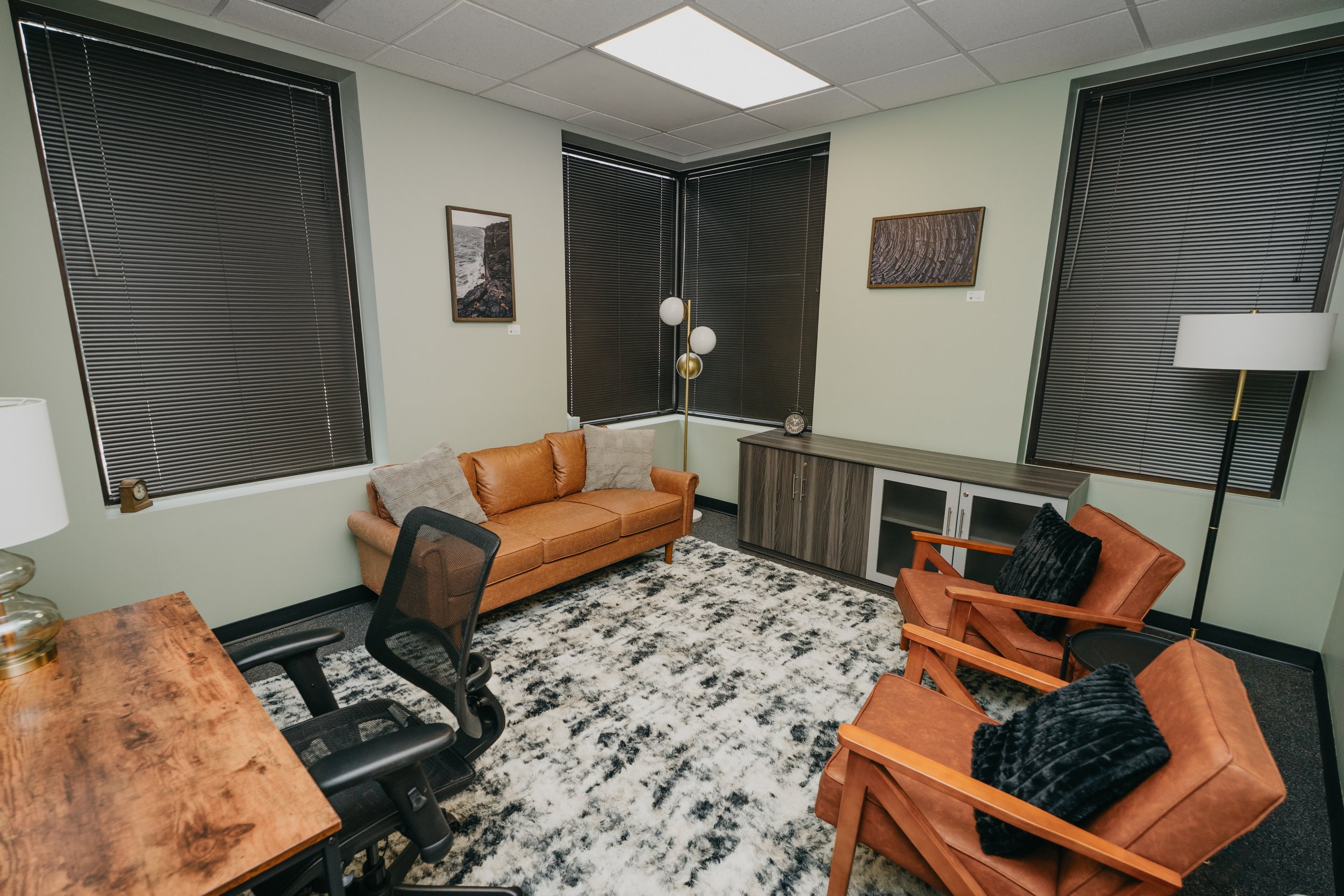
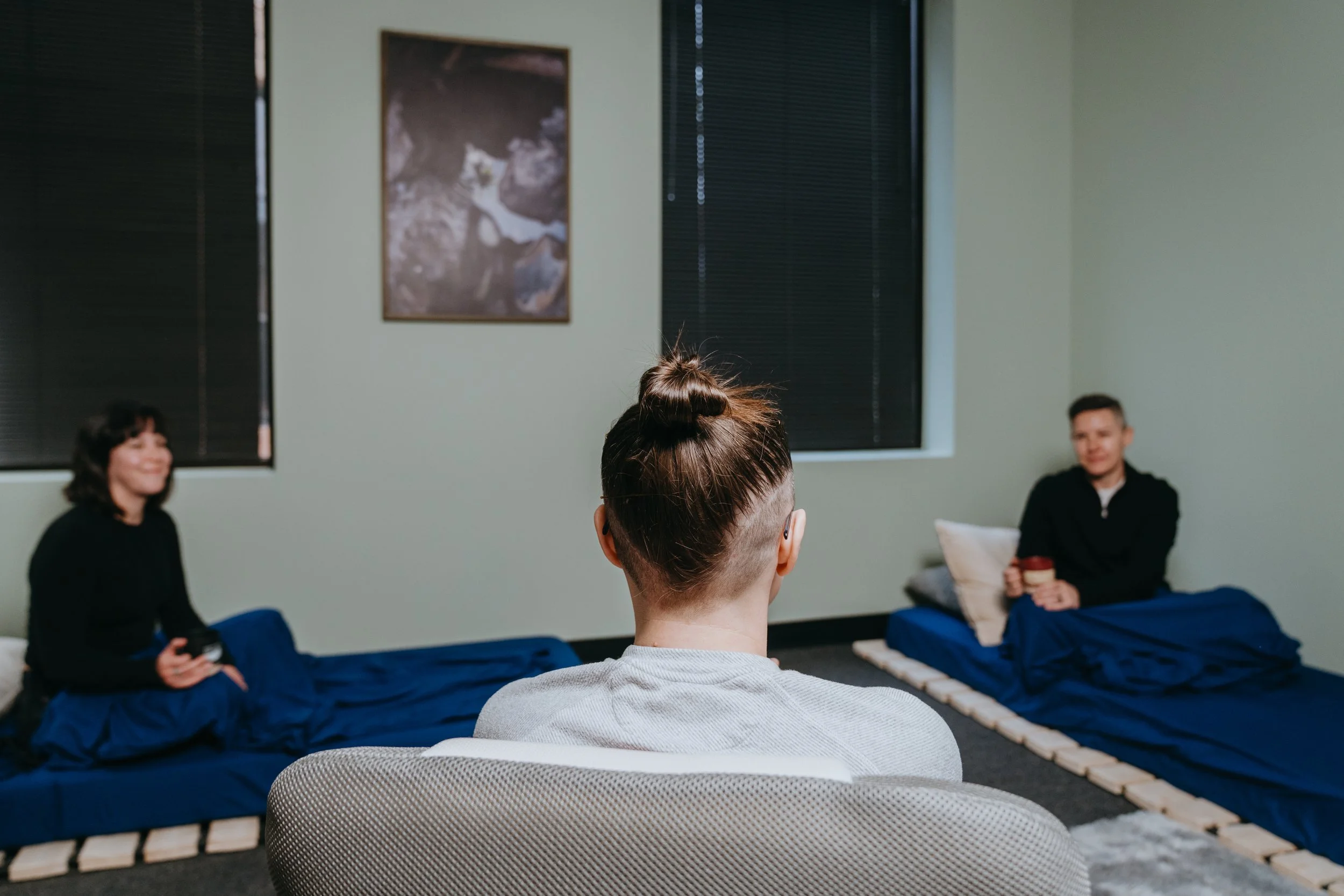
Aspen Suite accommodates up to three participants. It is designed for intimate, individual journey experiences with a private waiting area. It is well-suited for individual or very small group work where privacy and a contained environment are the priority.
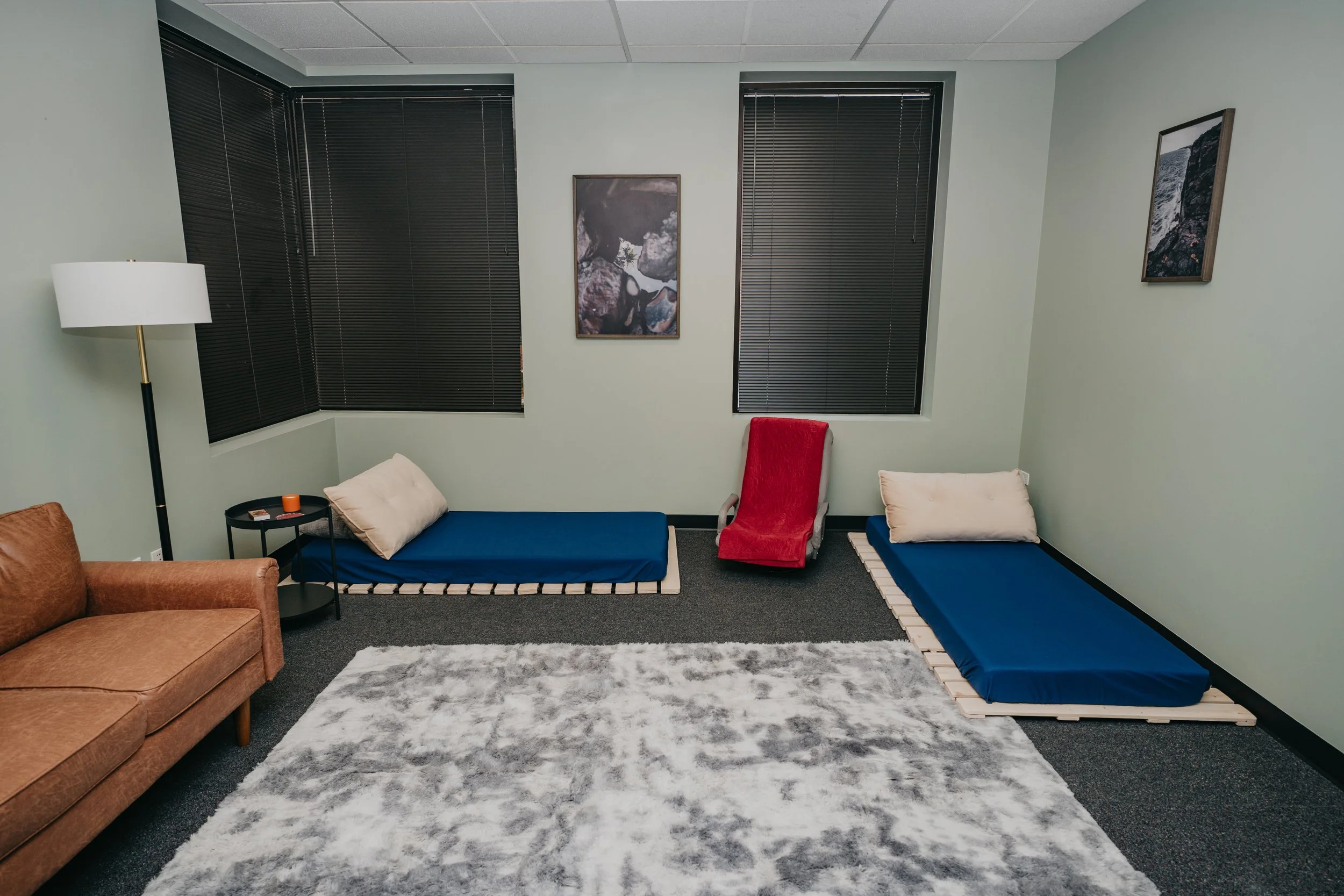
Birch Suite accommodates up to six participants. It offers a flexible layout configured for mats and movement, making it appropriate for small group journey experiences. Group sessions in the Birch Suite require inter-participant interaction protocols established in advance through written informed consent.
Your facilitator will determine which suite is appropriate for your session based on participant count and session design.
Yes. Micro Healing Center operates under Colorado Natural Medicine Healing Center License NMHC-00034. All operations are governed by the Colorado Natural Medicine Health Act and Colorado regulation 1 CCR 213-1.
MHC maintains documented Standard Operating Procedures covering security, inventory management, transportation safety, waste management, adverse health event response, administration session preparedness, emergency planning, and food and beverage compliance. All required state forms are current, and participant records are maintained in compliance with state retention requirements.
MHC is Colorado's only LGBTQ+-owned licensed natural medicine healing center. Our regulatory compliance is not simply procedural. It is foundational to the trust this work requires.
Yes. Micro Healing Center is LGBTQ+-owned and explicitly affirming. This is not a marketing statement. It is the organizational identity of this facility. Queer and allied practitioners and clients are not an afterthought at MHC. They are central to the community we are building and the space we hold.
Our facilitator community includes practitioners who specialize in LGBTQ+-affirming healing work. If this is important to you in selecting a facilitator, let us know and we will match you with someone whose background and approach align with your needs.
You are welcome here exactly as you are.
Begin by visiting microhealingcenter.com to learn more about the facility and available services. If you are ready to take a next step, reach out directly at info@microhealingcenter.com.
We will help you understand what the process looks like, answer any questions you have, and connect you with a facilitator whose background and approach are a good fit for your intentions and situation.
There is no pressure. This work deserves thoughtful entry. Start with a question. We will take it from there.
Facts on Natural Medicine-Assisted Journeys
Getting Started at MHC
At Micro Healing Center, you are not a room renter. You are a Supported Professional. That distinction shapes every decision we make about how this facility is designed, staffed, and operated.
Being a Supported Professional means you arrive to a clinical sanctuary that is fully prepared for your session day. Handler support, compliance infrastructure, clinical oversight, and community are already in place. You bring the facilitator relationship and the healing work. We carry the facility-side risk and the operational weight so that you do not have to.
Isolation is one of the greatest threats to long-term sustainability in this field. The Supported Professional model exists to make sure you never practice alone, even when you are operating independently.
A room rental gives you a key and a time slot. MHC gives you an incubator partnership. The difference is structural, not cosmetic.
When you operate at MHC, you have access to a state-licensed, compliance-ready facility with documented SOPs, handler support, clinical oversight from Dr. Amanda Baranski, a peer facilitator community, business education resources, and an environment built around the ethical practice of natural medicine facilitation. None of that comes with a room rental.
Room renters carry all the facility-side risk themselves. Supported Professionals at MHC share that weight with an organization that was built specifically to carry it. The fundamentals of a sustainable business do not change by industry. Infrastructure matters, and MHC provides it.
MHC offers three membership tiers designed to meet facilitators where they are in their practice, whether they are just starting out or operating at full capacity.
| Tier | Monthly Fee | Activation | Best For |
|---|---|---|---|
| Seed | $0 / month | $150 activation | Facilitators hosting one session or fewer per month |
| Sprout | $50 / month | $100 activation | Facilitators hosting two to four sessions per month |
| Sage | $250 / month | No activation fee | Active practices hosting four or more sessions per month |
Handler fees vary by tier: Seed members pay $200 per session for handler support, Sprout members pay $150 per session, and Sage members receive handler support included for up to four sessions per month. Insurance coverage is included under the Sage tier.
If you are uncertain which tier fits your current practice volume, start with Seed and upgrade as your schedule fills. There is no penalty for moving between tiers.
Becoming a member facilitator at MHC begins with an application. We review all applicants to confirm active DORA licensure and to ensure alignment with MHC's values around ethics, compliance, and community.
Once accepted, the activation process includes:
- Selecting your membership tier and completing your facilitator agreement
- Completing a facility walkthrough with MHC staff, including a review of both the Birch Suite and Aspen Suite, evacuation routes, and operational procedures
- Reviewing and acknowledging MHC's Standard Operating Procedures
- Confirming your handler support needs and scheduling preferences
- Completing any required onboarding documentation
From there, you are operational. The goal is to get you into the space and doing your work as efficiently as possible, without cutting corners on the compliance and safety foundations that protect both you and your clients.
To begin, visit microhealingcenter.com or reach out directly at info@microhealingcenter.com.
Yes. We encourage prospective member facilitators to walk the space before making any commitment. Seeing the Birch Suite and Aspen Suite in person, understanding the flow of the facility, and having a direct conversation with MHC staff gives you the information you need to make a confident decision.
Walkthroughs are scheduled in advance and typically take 30 to 45 minutes. They cover the session suites, common areas, storage, safety infrastructure, and any operational questions you have about how the facility runs.
To schedule a walkthrough, contact us at info@microhealingcenter.com or visit microhealingcenter.com.
Using the Space
MHC has two named session suites, each designed for a different session configuration.
Aspen Suite accommodates up to three participants. It is designed for intimate, individual journey experiences and includes a private waiting area. It is well-suited for individual or very small group work where a contained, private environment is the clinical priority.
Birch Suite accommodates up to six participants. It offers a flexible layout with space for mats and movement, making it appropriate for small group journey experiences. Group sessions in the Birch Suite require inter-participant interaction protocols established in advance through written informed consent obtained during the preparation session.
Suite assignment is determined based on your participant count and session design. If you are planning a group session, discuss the Birch Suite configuration with MHC staff during your onboarding walkthrough so the space can be set up appropriately for your work.
Full-day bookings are a philosophical design choice, not a scheduling default. A journey experience is not a clinical appointment that can be slotted into a two-hour window. It requires time for arrival and settling, the active experience itself, and an unhurried return to groundedness before departure. Compressing any of those phases compromises both the quality of care and the safety of the experience.
Operating full-day only also protects facilitators. It eliminates the pressure to rush a client out because another booking is waiting. Your client gets the full container. You get the space and time to do your best work.
We frame this as a Full-Day Partnership because that is what it is. The suite, the handler support, the clinical infrastructure, and the safety systems are all engaged for the full day on your behalf.
Session day scheduling is managed directly with MHC staff once your membership is active. After your onboarding is complete, you will have access to the facility scheduling process and can reserve your session days based on suite availability.
To protect the integrity of active sessions and the confidentiality of other facilitators and their clients, scheduling details are handled through direct communication with MHC rather than through a public-facing booking tool.
If you have questions about availability before completing your application, reach out at info@microhealingcenter.com and we will give you a current picture of open dates.
Your full-day partnership at MHC includes the use of your assigned suite for the full session day, a pre-session safety walkthrough completed by MHC staff, all required facility-side compliance infrastructure, access to on-site emergency supplies, and front-desk or staff presence to manage facility access during your active session.
Handler support is available at all tiers, either included or at a per-session fee depending on your membership level. Handler responsibilities include monitoring participant access to common areas, managing facility entry by vendors or visitors during active sessions, escorting participants during any temporary departure from the administration area, and supporting the facilitator in maintaining the safety of the session environment.
What is not included: clinical supervision of the facilitator-client relationship, which remains the responsibility of the facilitator and their own licensure. MHC provides the facility infrastructure. You provide the facilitation.
Handler support at MHC covers the operational and safety functions that run alongside your facilitation work. A handler is not a clinical co-facilitator. Their role is facility-side: managing access, escorting participants as needed, monitoring the common areas during active sessions, and supporting the procedural requirements of a compliant session day.
Handler support is priced by membership tier:
- Seed tier: $200 per session
- Sprout tier: $150 per session
- Sage tier: Included for up to four sessions per month
For Sage members exceeding four sessions per month, handler support beyond the included sessions is available at a reduced rate. Contact MHC staff to confirm current pricing for additional sessions.
Compliance and Documentation
As a licensed facilitator, you are responsible for ensuring that all required state forms are completed for each client you serve. These are not MHC's forms. They are Colorado state-mandated documents that must be in every participant file. MHC maintains blank copies on the licensed premises and can confirm which forms are current.
Required forms include:
- Screening Assessment and Health History
- Facilitator Required Disclosures
- Informed Consent
- Supportive Touch Contract (when applicable)
- Transportation Safety Plan
- Safety Plan covering environmental risks
- Privacy and Confidentiality Disclosure
- De-Identified Data and Opt-Out
- Fees, Termination, and Alternate Location
- Medication and Medical-Assistive Devices
- Demographic Data Collection
- Adverse Reaction Reporting (completed only if an adverse event occurs)
Participant files must be maintained on the licensed premises and retained for a minimum of seven years. HIPAA compliance measures apply. If you have questions about a specific form or are unsure whether your current documentation is complete, connect with MHC staff or with Dr. Baranski's clinical oversight resources.
Colorado Rule 8035(D)(1) requires a documented Administration Session Preparedness Plan that governs how participants are monitored when they temporarily leave the administration area during an active session. MHC maintains this plan as SOP 008, and facilitators operating at MHC are bound by it.
Your primary responsibilities under this plan include:
- Completing or confirming completion of the pre-session safety walkthrough before each session begins
- Personally escorting, or ensuring a qualified staff member escorts, any participant who temporarily leaves the administration area
- Remaining within line of sight or immediate earshot of the participant at all times outside the suite
- Documenting all departures from and returns to the administration area in the session log, including times
- Managing incidental contact between your active participant and any unauthorized persons, vendors, or other facility visitors
The plan also provides a deferral option per Rule 8035(D)(1)(b): if you and your client agree in writing during the preparation session to alternative procedures, those alternatives can be documented and followed in place of the standard plan. The signed informed consent must be kept in the participant file on the licensed premises.
MHC's Adverse Health Event Management protocol (SOP 005) is the governing procedure. On-site emergency supplies include a first aid kit, blood pressure monitor, CPR masks, pulse oximeter, and emergency contact information. All facilitators operating at MHC are expected to have current basic first aid and CPR capability.
Call 911 immediately if any of the following occur: loss of consciousness exceeding one minute, difficulty breathing, chest pain or severe cardiovascular symptoms, seizure activity, or any condition you assess as potentially life-threatening. There is no internal escalation step before 911. Do not delay that call.
After calling 911, contact Dr. Amanda Baranski directly at 734-646-6515. Do not leave the participant unattended. Administer first aid within your scope and as directed by the 911 dispatcher. Upon EMS arrival, provide relevant session information while maintaining participant confidentiality to the extent the circumstances allow.
A full Adverse Health Event report must be filed with DORA per Rule 3015 following any qualifying incident. MHC staff will support you in completing that documentation.
Clinical Support and Ethics
Dr. Amanda Baranski, LCSW, LNMIT holds DORA Facilitator License NMIT.0000007 and serves as MHC's Lead Practitioner and Clinical Lead. She is the President of the NASW Colorado Chapter and a faculty member at MSU Denver.
Dr. Baranski does not simply hold ethical commitments. She actively studies, leads, and supervises on practitioner ethics in the psychedelic medicine space. That distinction matters. When you operate at MHC, you have access to a clinical anchor who is shaping the ethics infrastructure of this field at a professional and institutional level.
Her role at MHC encompasses clinical oversight of the facility's practitioner standards, availability as a point of contact during active administration sessions, and leadership of the ethical framework that governs how healing work is done at this center.
For urgent clinical matters during an active session, Dr. Baranski is reachable at 734-646-6515.
MHC provides access to clinical supervision through Dr. Amanda Baranski as part of the incubator model. Supervision at MHC is peer-level and values-aligned. It is designed to support your growth, your accountability, and your sustainability as a practitioner, not to monitor you as a compliance checkbox.
Supervision availability and structure vary by membership tier. If clinical supervision is a priority for you in selecting a facility, discuss your needs directly with MHC staff so we can clarify what is included at your tier and what is available as an added resource.
Facilitators operating in isolation without any supervision or peer accountability structure are at significantly higher risk of burnout, ethical drift, and practice unsustainability. MHC's supervision resources exist to close that gap.
Ethics at MHC are not a compliance overlay. They are embedded in how this facility was designed, who leads it clinically, and what we expect from every practitioner who operates here. The phrase "Ethics. Support. Sustainability." is not marketing copy. It is the operating framework.
Practitioner accountability at MHC includes adherence to the facility's Standard Operating Procedures, maintenance of active DORA licensure, completion of all required state forms and documentation, and conduct that is consistent with the ethical standards of this field. Facilitators who operate outside those standards are not compatible with membership at MHC.
We also hold accountability at the community level. Peer connection, shared standards, and the expectation that facilitators engage honestly with supervision and with each other create a culture where ethical practice is the norm, not the exception.
If you have a specific ethics question or a situation you want to think through before or after a session, the channels to Dr. Baranski and MHC leadership are open. We would rather have that conversation early than see a practitioner navigate a difficult situation alone.
Business and Financial
The fundamentals of a sustainable business do not change by industry. Natural medicine facilitators are founders of small businesses, and the same financial principles that govern any service-based practice apply here: understand your costs, price to cover them with margin, and build a client pathway that generates consistent volume.
Pricing in this field reflects the full value you provide: the preparation session, the full-day journey experience, the integration support, and the ongoing relationship. Pricing only the journey experience day and giving away the surrounding work is one of the most common structural mistakes facilitators make.
MHC's business education resources, available through the incubator model and through High Performance Rebels (HPR) coaching, cover pricing strategy, revenue modeling, client pathway design, and financial sustainability planning. If you are not confident in your pricing structure, that is exactly where to start.
There is plenty of room in this market for independent, mission-driven practices to succeed. The Arvada and Westminster corridor has significant unmet demand and limited competition with strong digital presence. You are not fighting for scraps. You are building something real in a market that needs what you offer.
MHC functions as a professional incubator, which means the support does not stop at the suite door. The incubator model is designed to help facilitators build practices that are financially viable, ethically grounded, and operationally sustainable.
Business support available through MHC includes access to practice-building education through High Performance Rebels (HPR) coaching, peer learning through the MHC facilitator community, regulatory and compliance guidance, and referral support within the community loop. We also offer periodic group programming on business topics relevant to natural medicine founders.
MHC's founder Jade brings three business exits including a seven-figure sale to this work. The business coaching resources available through MHC are not generic small business advice. They are built for the specific financial, regulatory, and market conditions that natural medicine facilitators actually face.
The Community Loop is MHC's peer network of member facilitators. It is one of the most practically valuable aspects of membership and one of the most underutilized by facilitators who are still operating in isolation mode.
Within the Community Loop, facilitators can refer clients to one another when a client's needs are outside their specialty or when they are at capacity, share resources and tools without duplicating effort, hold each other to shared ethical standards, and access peer support in ways that solo private practice simply cannot replicate.
Practitioner isolation is one of the greatest threats to long-term sustainability in this field. The Community Loop is the structural answer to that problem. A compliant, fully supported community rooted in this working for everyone is not a nice-to-have. It is foundational to doing this work well over time.
Insurance coverage is included under the Sage membership tier. Seed and Sprout members are responsible for maintaining their own professional liability coverage appropriate to their practice scope and session volume.
If insurance coverage is a deciding factor in your tier selection, factor it into your total cost of practice calculation. For facilitators hosting four or more sessions per month, the Sage tier's included coverage and eliminated activation fee often represent a meaningful financial advantage over lower tiers plus independent insurance costs.
For specific questions about what the included coverage covers and any limits or exclusions, contact MHC directly at info@microhealingcenter.com so we can provide current details.
MHC invoices and receipts describe psilocybin services using natural medicine facilitation language. You will not see itemized descriptions by strain, weight, or dosage on any MHC documentation. This is a deliberate compliance and risk management decision that protects both the facility and the facilitators who operate here.
Membership fees, handler fees, and session costs are invoiced directly through MHC. Payment methods accepted include card via our high-risk merchant processor, as well as ACH and Zelle for appropriate transaction types. Cash is also accepted.
Your own client-facing invoicing and payment collection is separate from your MHC membership payments and is your responsibility to manage within your own practice infrastructure. If you need guidance on payment processing options appropriate for natural medicine practices, this is a topic covered in MHC's business education resources.
Community and Culture
Yes. Micro Healing Center is Colorado's only LGBTQ+-owned licensed natural medicine healing center. LGBTQ+ affirmation is not a policy we adopted. It is the identity of this organization and the lens through which every decision about community, culture, and access is made.
Queer and allied facilitators are not an afterthought at MHC. They are central to the community we are building. If you have been operating in spaces that were not built with you in mind, MHC was built differently.
If you have specific questions about how MHC shows up for LGBTQ+ practitioners in practice, not just in principle, we welcome that conversation. Reach out at info@microhealingcenter.com.
MHC's facilitator community includes DORA-licensed practitioners across a range of clinical backgrounds, specialties, and approaches to the healing work. Members include facilitators who come from licensed clinical social work, counseling, somatic practice, and other adjacent fields, as well as those who came to this work through the training pathway without prior clinical licensure.
What the community shares is a commitment to ethical practice, compliance, and the long-term sustainability of this field. MHC is not a space for practitioners who want to move fast and cut corners. It is a space for practitioners who want to do this right and build something that lasts.
If you want to know more about who is currently operating at MHC before you apply, the best way to get a real sense of the community is to schedule a walkthrough and meet us in person.
Internal referrals within the MHC community are handled directly between facilitators. When a client's needs are outside your specialty, when you are at capacity, or when you believe another member of the community is a better fit, a warm introduction through the Community Loop is the standard approach.
MHC does not operate a formal matchmaking or referral management system. What we do provide is a community in which facilitators know each other well enough to make referrals with confidence, and where clients can be handed off with continuity of care rather than dropped into a cold search.
Building relationships within the Community Loop before you need to make a referral is the best preparation. Attend community events, engage with your fellow facilitators, and invest in those peer connections. The referral infrastructure follows naturally from the relationships.
Facts for Practitioners
Safety & Compliance
-
![State-Licensed]()
State-Licensed
Operating under Colorado's Natural Medicine regulations with strict clinical and operational standards. We are compliant. We are ethical.
-
![]()
Secure Facility
In Person Guide: Secure medicine storage, controlled access systems, and comprehensive monitoring for compliance and safety.
-
![]()
Client Wellbeing
Every session occurs within a carefully structured environment protecting physical and psychological wellbeing. Ethics and client data privacy is protected.
-
![Side profile of smiling woman with short dark hair against a colorful blurred background.]()
Pro Practitioners
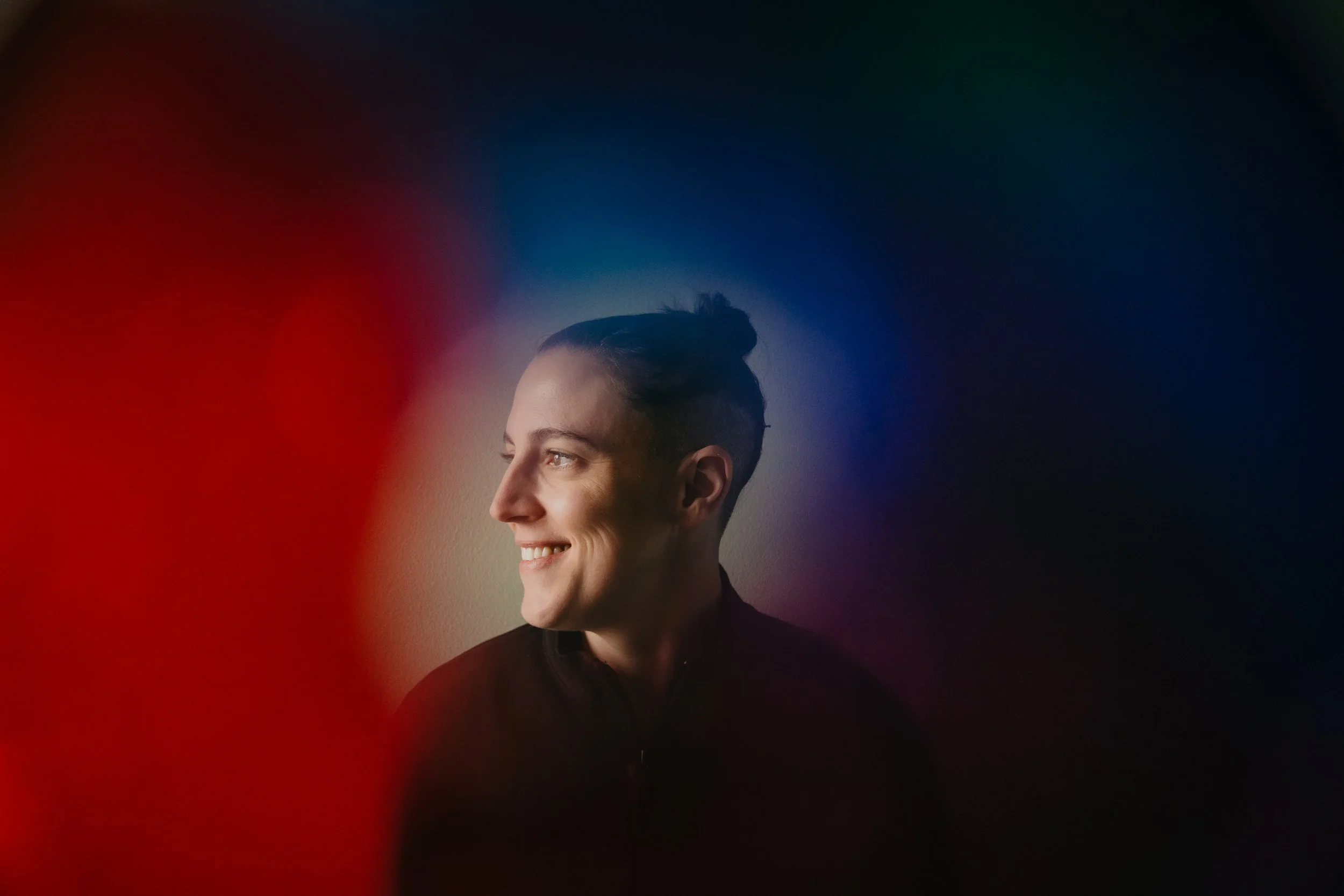
At Micro Healing Center, you are not a room renter. You are a Supported Professional. That distinction shapes every decision we make for you.
Designed with Intention
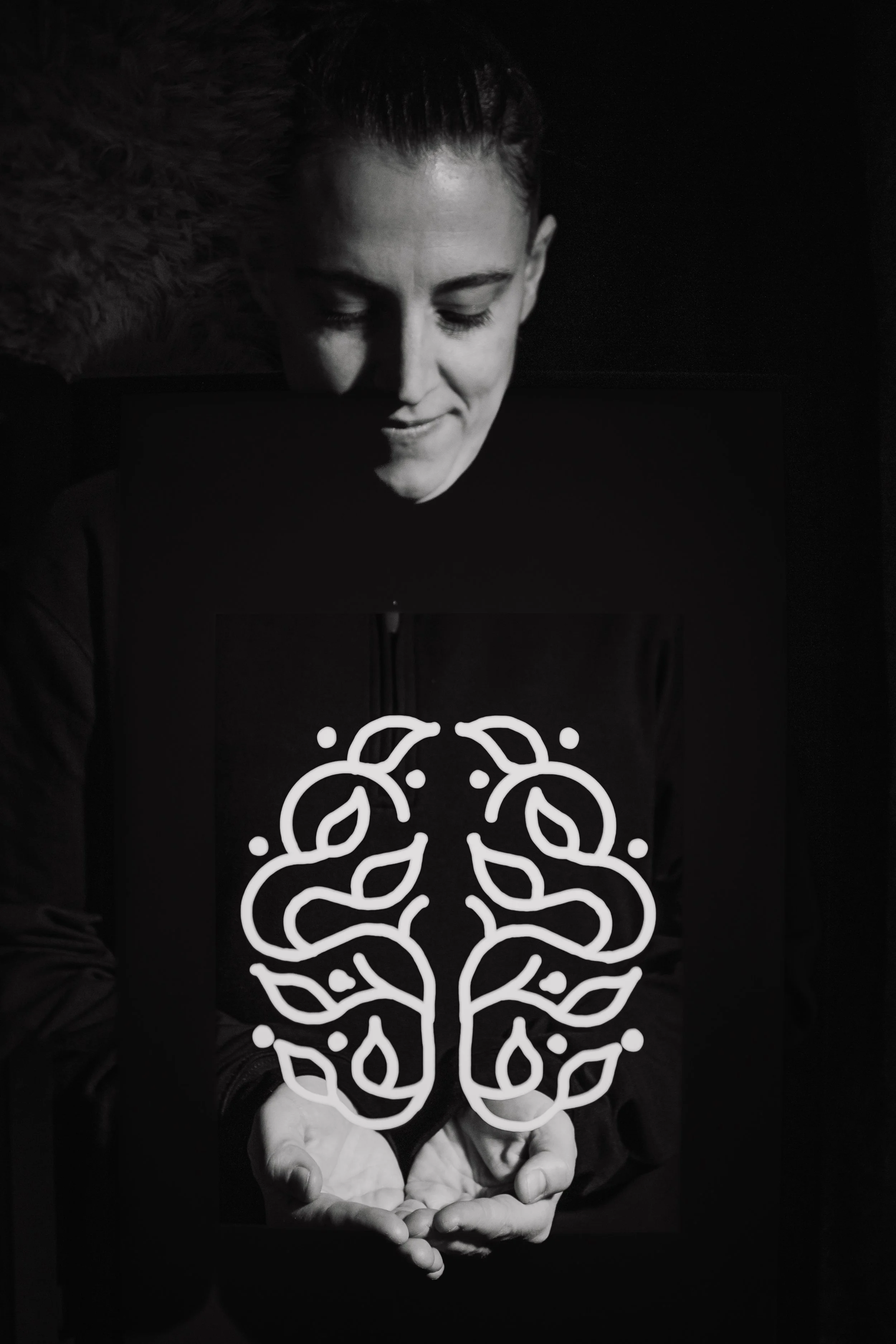
Our logo represents the convergence of neuroscience and nature. A stylized brain composed of botanical elements reflects the integration of modern clinical understanding with natural medicine practices.
This visual identity communicates our approach: aligning science and nature within a structured, supportive environment. Each element symbolizes growth, adaptation, and the body’s innate ability to restore balance under the right conditions.